Waste Reduction Strategies for a Greener Future
- Persephone Environmental Development Association

- Feb 20
- 2 min read
As environmental challenges continue to grow worldwide, reducing waste has become one of the most important steps toward building a more sustainable future. Excessive consumption, single-use products, and inefficient waste management systems contribute significantly to pollution, climate change, and the depletion of natural resources. By adopting responsible waste reduction strategies, individuals, communities, and organizations can help protect the environment and create healthier living spaces for future generations.
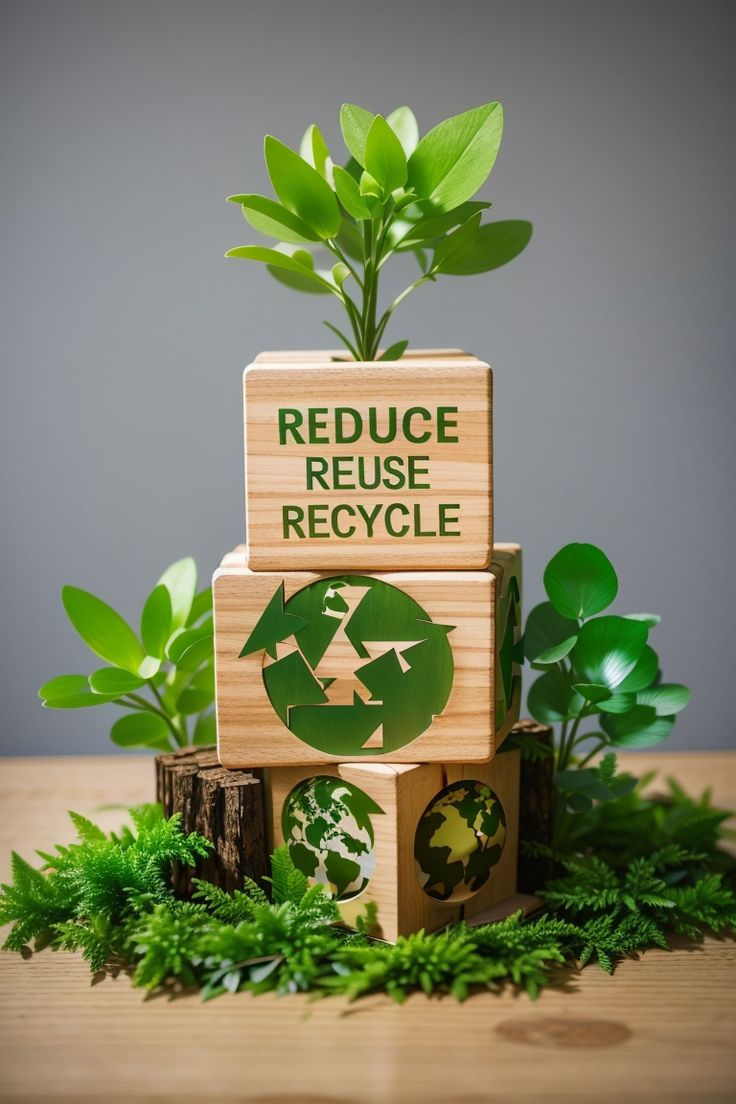
One of the most effective ways to reduce waste is to focus on prevention rather than disposal. The principle of “reduce, reuse, and recycle” encourages people to minimize unnecessary consumption, choose reusable alternatives, and properly recycle materials whenever possible. Simple actions such as using reusable bags, bottles, and containers can significantly decrease the amount of plastic and packaging waste produced every day.
Another important strategy is promoting sustainable consumption habits. Purchasing durable, high-quality products instead of disposable items helps reduce long-term waste generation. Supporting local and environmentally responsible businesses can also encourage more sustainable production methods and reduce the environmental impact associated with transportation and excessive packaging.
Food waste reduction is equally essential in creating a greener future. Large amounts of food are wasted globally each year, contributing to greenhouse gas emissions and resource loss. Planning meals carefully, storing food properly, and composting organic waste are practical ways individuals and families can reduce food waste while supporting environmental sustainability.
Communities and local governments also play a vital role in effective waste management. Recycling programs, public awareness campaigns, and accessible waste collection systems encourage responsible disposal practices. In addition, initiatives such as community clean-up events, zero-waste campaigns, and environmental education workshops help strengthen public engagement and awareness.
Technology and innovation can further support waste reduction efforts. Advances in recycling technologies, biodegradable materials, and circular economy models are helping industries reduce environmental harm and use resources more efficiently. Businesses that adopt sustainable production systems not only contribute to environmental protection but also inspire consumers to make more eco-conscious choices.
Young people are increasingly becoming important advocates for sustainability and waste reduction. Through education, volunteering, and environmental activism, youth can inspire positive behavioral change within their communities. Their creativity, energy, and commitment are essential for developing innovative solutions to environmental challenges.
Ultimately, waste reduction is a shared responsibility that requires collective action from individuals, organizations, businesses, and governments. Even small changes in daily habits can create a significant positive impact when adopted consistently by larger communities. By working together to reduce waste and promote sustainable practices, we can move toward a cleaner, greener, and more resilient future for all.